
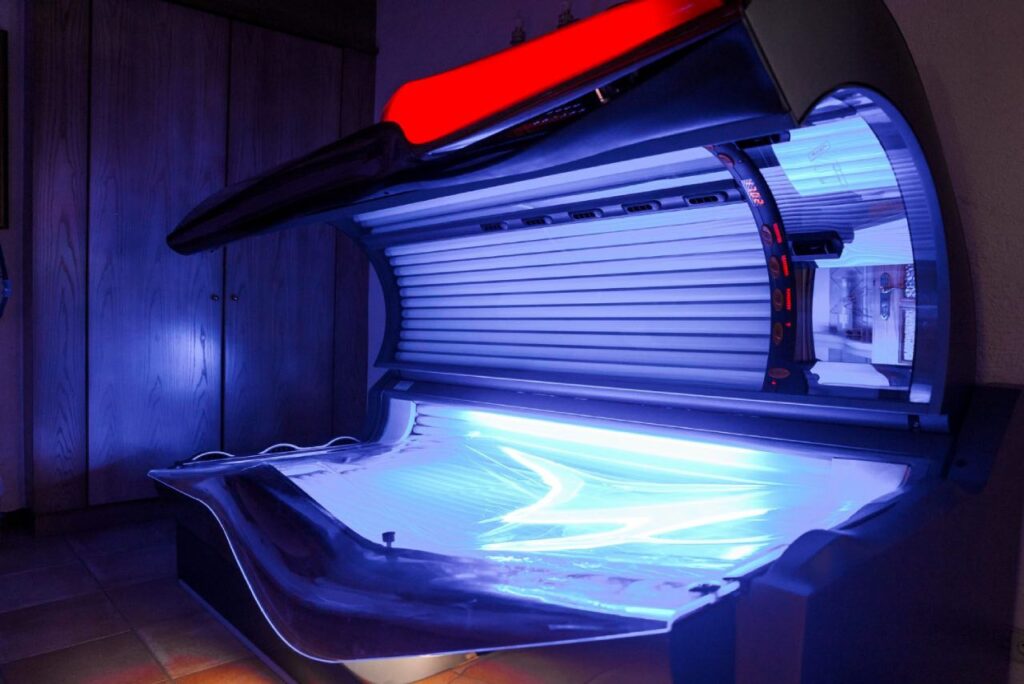
If you used a solarium years ago, it is completely natural to wonder whether it could still affect your health today.
Many Australians used tanning beds before they were banned, often without realising the long-term risks. So the question comes up often: is the damage already done, or can it still cause problems years later? The reality is that your skin can “remember” past UV exposure. Damage from solariums does not simply fade over time. Instead, it can increase your risk of developing skin cancer later in life, sometimes decades after use.
Understanding how this works can help you take the right steps to protect your skin moving forward.
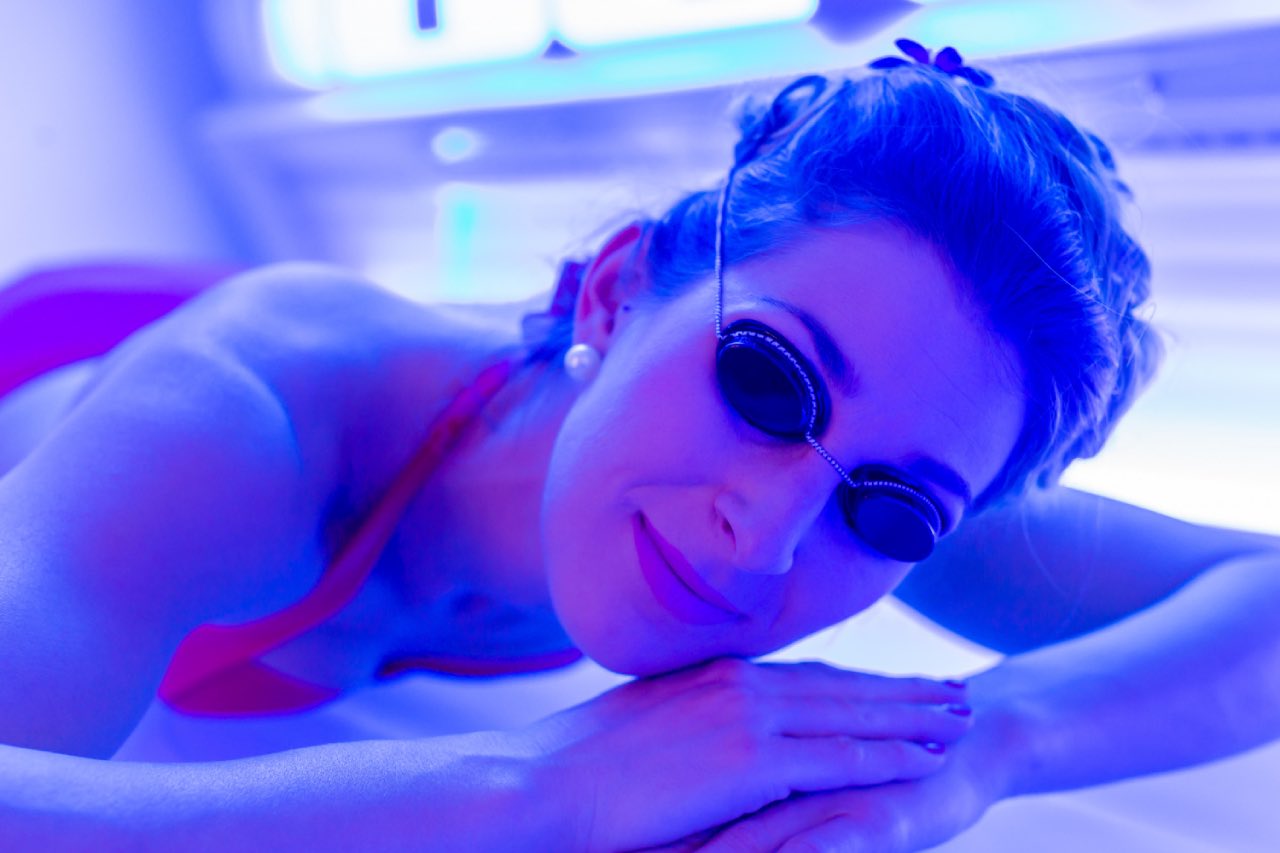
Why Solariums Were Banned in Australia and What That Means for You
Solariums, also known as tanning beds, use artificial ultraviolet radiation to darken the skin. While they were once widely marketed as a quick way to achieve a tan, strong evidence eventually showed they significantly increase the risk of skin cancer.
Because of these risks, Australia introduced a nationwide ban on commercial solariums between 2015 and 2016. Before the ban, the impact was already clear. Solarium use was estimated to contribute to more than 2,800 skin cancer cases and 43 melanoma deaths each year in Australia (Cancer Council). This decision was not taken lightly. Solariums are now classified as carcinogenic, meaning they are known to cause cancer.
Even though commercial use is no longer allowed, the effects of past exposure remain relevant today, especially for those who used them regularly or at a young age.
Is Artificial UV More Dangerous Than the Sun?
It might seem like controlled indoor tanning would be safer than spending time in the sun, but in many cases, the opposite is true.
Solariums can emit ultraviolet radiation at levels up to six times stronger than the midday summer sun (Better Health Channel). This means your skin is exposed to intense UV radiation over a short period. On top of that, nearly your entire body is exposed at once, which increases the overall dose of radiation your skin receives. Both UVA and UVB rays are involved. UVA penetrates deeper into the skin and contributes to long-term damage, while UVB is more likely to cause burns. Together, they damage the DNA in your skin cells.
A tan might look harmless, but it is actually a sign that your skin has already been injured.
Can Solarium Use Still Affect You Years Later?
This is where many people are surprised. Skin damage caused by UV radiation builds up over time and does not simply disappear. Even if you only used a solarium occasionally, the effects can still be long-lasting.
Research shows that using a solarium before the age of 35 increases the risk of melanoma by 59 percent (Better Health Channel). Each exposure contributes to cumulative damage in your skin cells. Over time, this damage can lead to abnormal cell changes, which may eventually develop into skin cancer. This is why some people may not notice any issues until many years after they stopped using tanning beds.

Why Past Use Still Matters, Especially for Younger Australians
If you used solariums in your teens or twenties, your risk may be higher than you think. Younger skin is more vulnerable to UV damage, and early exposure allows more time for that damage to develop into something more serious later on. While solariums are now banned, some people were exposed before the regulations came into place. There are also cases where devices are still used privately or marketed under different names. There is also a common misconception that a tan looks healthy. In reality, there is no safe way to tan using UV radiation.
If you have used a solarium at any stage, even occasionally, it is worth being proactive about your skin health.
What Should You Look Out for After Using a Solarium?
One of the most important steps you can take is becoming familiar with your own skin. Changes are not always obvious, which is why regular self-checks are helpful. You might notice something new or something that simply does not look quite right.
Some signs to watch for include:
- A new mole or spot that appears suddenly
- Changes in the size, shape, or colour of an existing mole
- Uneven borders or multiple colours within a spot
- Itching, bleeding, or crusting
- A sore that does not heal
You may have heard of the ABCDE guide, which is a useful way to assess moles:
- Asymmetry
- Border
- Colour
- Diameter, and
- Evolving
If anything stands out to you, it is always best to have it checked. Trust your instincts. If something feels different, it is worth a closer look.
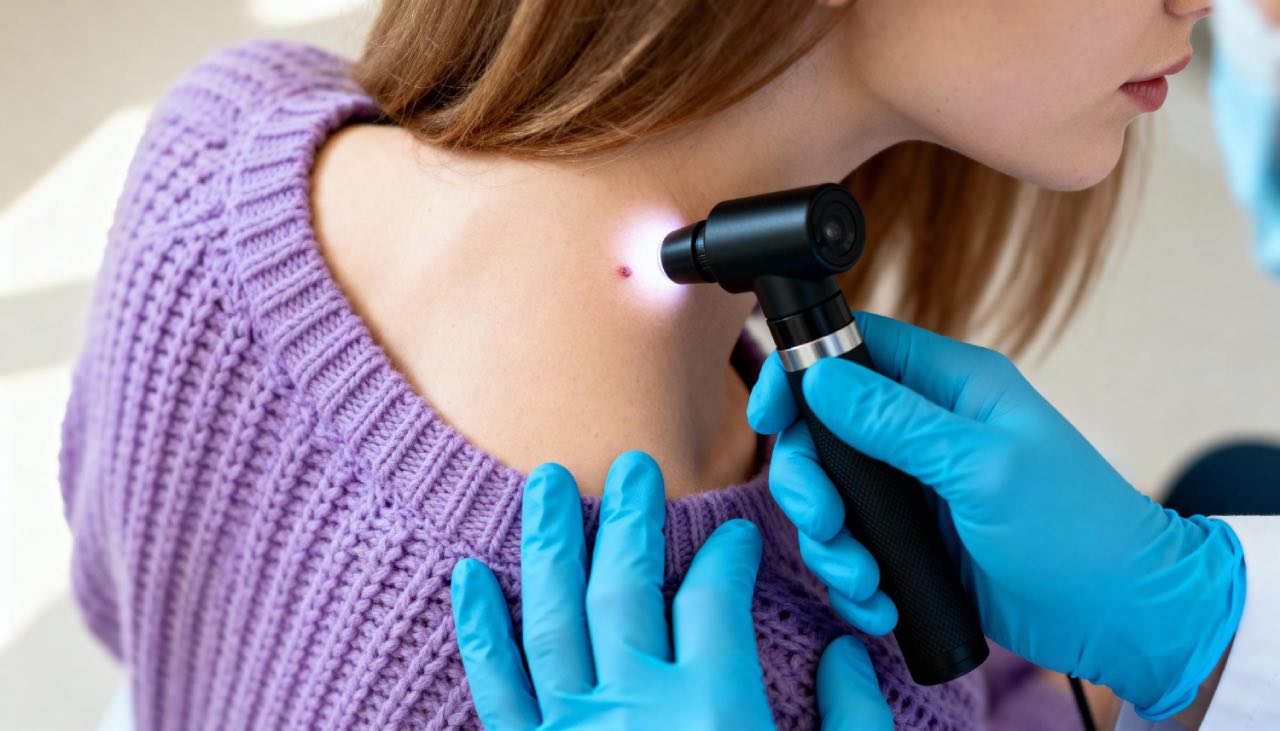
When Should You Book a Skin Check?
If you have used a solarium in the past, regular skin checks are one of the most important things you can do for your long-term health. You do not need to wait until something looks concerning. Preventative checks can help detect changes early, often before they become serious.
It is especially important to book a skin check if you:
- Used solariums regularly
- Started using them at a young age
- Have fair skin or a history of sunburn
- Have a personal or family history of skin cancer
If you notice any changes in your skin, it is best to book an appointment as soon as possible.
At Medsana Medical Clinic, our doctors take a thorough and personalised approach to skin checks. This includes assessing your individual risk factors, examining your skin carefully, and recommending the next steps if anything unusual is found. In some cases, ongoing monitoring or mole mapping may be suggested to track changes over time.
Taking Control of Your Skin Health Moving Forward
While you cannot undo past exposure, there is a lot you can do to reduce your future risk. Simple, consistent habits can make a meaningful difference:
- Apply SPF 50+ sunscreen daily, even on cloudy days
- Wear protective clothing, hats, and sunglasses
- Avoid peak UV hours where possible
- Schedule regular professional skin checks
Think of this as a long-term investment in your health. The earlier changes are detected, the better the outcomes tend to be.
A Final Word
Solariums may no longer be part of everyday life in Australia, but their impact can still be felt years later. If you have used a tanning bed in the past, you are not alone. The most important thing now is staying aware, informed, and proactive. If you are unsure about a spot on your skin or simply want peace of mind, booking a skin check is a simple step that can make a real difference.
Sources
- Cancer Council Australia. Solarium.
https://www.cancer.org.au/about-us/policy-and-advocacy/prevention/uv-radiation/related-resources/solariums - Better Health Channel. Solariums and collariums (sunbeds and tanning beds). https://www.betterhealth.vic.gov.au/health/conditionsandtreatments/solariums-sunbeds-and-tanning-beds