
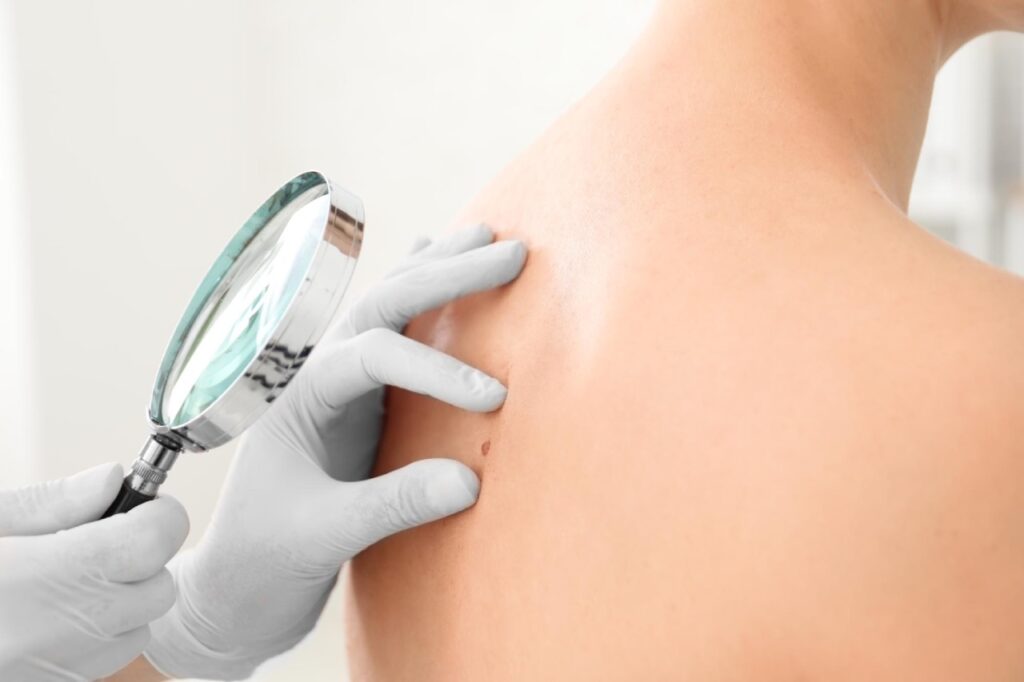
Skin Cancer in Australia: Why Understanding the Different Types Matters
When it comes to skin cancer, many Australians are aware of the risks. But do you really know the difference between melanoma and non-melanoma skin cancers? Understanding how they differ could make all the difference when it comes to early detection and effective treatment.
Patients are often surprised to learn that not all skin cancers behave the same way. Some grow slowly and remain localised, while others can spread quickly and become life-threatening. So how can you tell the difference, and why does it matter?
Skin cancer is broadly divided into two main categories: melanoma and non-melanoma skin cancer. Melanoma develops in melanocytes, the cells responsible for producing pigment in your skin, while non-melanoma cancers form in other skin cells.
Skin cancer is incredibly common in Australia. More than 1.1 million Medicare-subsidised treatments were provided for non-melanoma skin cancers (basal cell carcinoma and squamous cell carcinoma combined) in 2022–23 (Australian Skin Cancer Foundation). Understanding these categories is the first step in recognising when something on your skin may need medical attention.
What Is Melanoma? Understanding the Most Serious Form of Skin Cancer
Melanoma is considered the most serious type of skin cancer because of its ability to spread to other parts of the body. It can develop anywhere on the skin, even in areas that are not regularly exposed to the sun.
Why Melanoma Can Be Life-threatening
Unlike other skin cancers, melanoma can spread through the bloodstream or lymphatic system to vital organs. This process, known as metastasis, is what makes melanoma particularly dangerous.
Australia has one of the highest rates of melanoma in the world, with an estimated 16,800 Australians expected to be diagnosed with melanoma this year and approximately 1,300 deaths annually from melanoma (Melanoma Institute Australia). Early detection is critical to improve outcomes.
Early Warning Signs of Melanoma You Should Not Ignore
Melanoma often appears as a new spot or a noticeable change in an existing mole. These changes can happen gradually or quite quickly.
You may notice asymmetry in shape, irregular borders, uneven colour, or an increase in size. Some spots may itch, bleed, or develop a crust. These warning signs are commonly known as the ABCDE guide and are a useful way to monitor changes in your skin.
If a mole looks different from others or continues to evolve, it is important to have it assessed by a doctor as soon as possible.

What Is Non-Melanoma Skin Cancer? Common Types and What They Look Like
Non-melanoma skin cancers are more common and usually less aggressive than melanoma, but they still require prompt attention.
Basal Cell Carcinoma: the Most Common Skin Cancer in Australia
Basal cell carcinoma, often referred to as BCC, is the most frequently diagnosed type of skin cancer. It usually appears on areas that receive a lot of sun exposure, such as the face, ears, and neck.
BCC tends to grow slowly and rarely spreads to other parts of the body. However, it can still cause significant damage by growing into surrounding tissue if left untreated. It may look like a pearly lump, a flat scaly patch, or a sore that does not heal.
Squamous Cell Carcinoma: a Faster-growing Skin Cancer to Look Out For
Squamous cell carcinoma, or SCC, is the second most common type. It can grow more quickly than BCC and, in some cases, may spread if not treated early.
SCC often presents as a red, scaly patch, a thickened area of skin, or a sore that bleeds or crusts. Like BCC, it is commonly found on sun-exposed areas of the body.
Melanoma vs Non-Melanoma: Key Differences in Symptoms and Growth
One of the most important differences between melanoma and non-melanoma skin cancers is how they behave over time.
Melanoma is more likely to change rapidly. A mole may evolve over weeks or months, becoming darker, irregular, or larger. This unpredictability is what makes melanoma more dangerous.
Non-melanoma skin cancers usually grow more slowly. Basal cell carcinomas can remain localised for long periods, while squamous cell carcinomas may grow steadily but are still often easier to treat when detected early.
Another difference lies in how they feel. Melanomas are often painless in the early stages, which can make them easy to overlook. Non-melanoma skin cancers, however, may become tender, itchy, or develop into sores that do not heal. If you notice any new or changing spot, especially one that stands out from the rest, it is worth getting it checked.
Why Early Skin Cancer Detection Can Save Your Life
You might be wondering whether all skin cancers need urgent attention. The short answer is yes.
Early detection is critical for both melanoma and non-melanoma skin cancers. The earlier a cancer is identified, the simpler and more effective the treatment is likely to be.
For melanoma, early diagnosis can be life-saving. In many cases, treatment involves a relatively straightforward surgical removal. Once the cancer spreads, however, treatment may involve more advanced therapies.
For non-melanoma skin cancers, early treatment helps prevent the cancer from growing deeper and causing damage to surrounding tissue. Left untreated, even less aggressive cancers can lead to significant complications.
Regular skin checks are one of the most effective ways to detect changes early. This includes both self-checks at home and professional skin checks with your doctor.
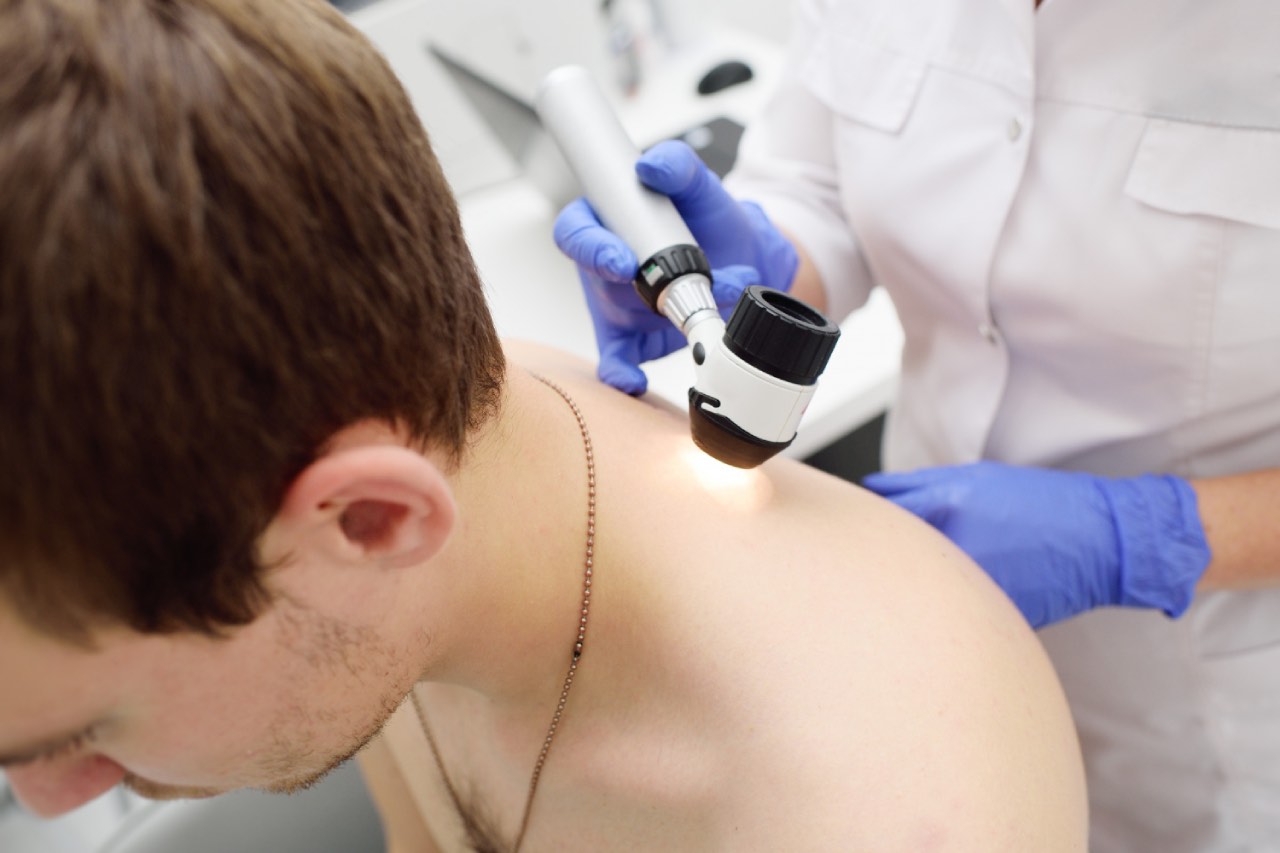
How Skin Cancer Is Diagnosed: What to Expect at Your Appointment
If you have noticed a suspicious spot, the next step is a professional assessment. At Medsana Medical Clinic, the diagnostic process is thorough and focused on early detection.
Skin Examination and Dermatoscopy
Your doctor will begin with a detailed skin examination. They may use a dermatoscope, a specialised device that allows them to examine the structure of your skin more closely.
Biopsy for Accurate Diagnosis
If a lesion appears suspicious, a biopsy may be recommended. This involves removing part or all of the spot and sending it to a laboratory for analysis. A biopsy is the only way to confirm whether a lesion is melanoma, basal cell carcinoma, or squamous cell carcinoma.
Additional Tests for Melanoma
If melanoma is diagnosed, further testing may be required to determine whether it has spread. This could include imaging or lymph node assessment. While this process may sound daunting, it plays a crucial role in ensuring accurate diagnosis and appropriate treatment.
Protecting Your Skin Starts with Awareness and Action
Australia has one of the highest rates of skin cancer in the world, which makes awareness more important than ever.
Understanding the difference between melanoma and non-melanoma skin cancers helps you recognise when something may not be right. More importantly, it encourages you to take action early.
So ask yourself, when was the last time you checked your skin?
If you have noticed a new spot or a change in an existing one, booking a professional skin check is a simple but important step. The experienced team at Medsana Medical Clinic provides comprehensive skin assessments and personalised care to help you stay on top of your skin health.
Sources
- Australian Skin Cancer Foundation – Skin cancer statistics
https://www.australianskincancerfoundation.org/skin-cancer-australia-statistics - Melanoma Institute Australia – Melanoma facts
https://melanoma.org.au/about-melanoma/melanoma-facts