
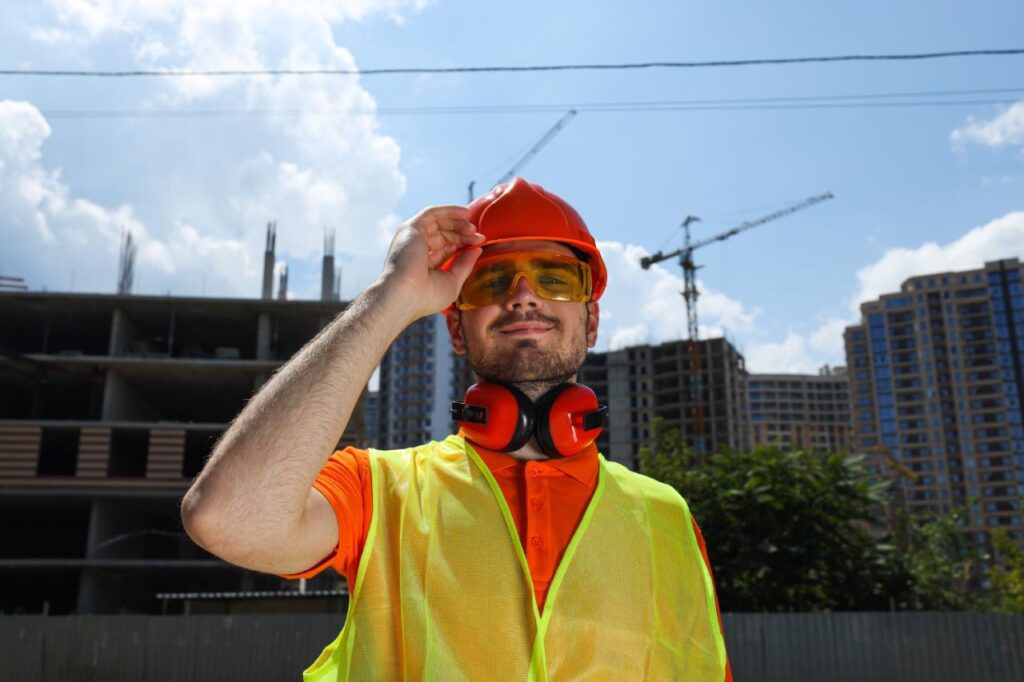
If you work outdoors in Queensland, sun exposure is not just part of the job, it is one of the biggest long-term health risks you face. Whether you are on a construction site, behind the wheel, or out on the land, daily exposure to ultraviolet radiation can quietly build up over time and lead to serious consequences.
So what should you actually be looking out for, and what can you do to protect yourself while still getting the job done?
Why Tradies and Outdoor Workers in Queensland Face a Much Higher Skin Cancer Risk
Australia already has one of the highest rates of skin cancer in the world, and Queensland sits at the top of that list (QLD Government).
Research shows that outdoor workers can receive up to 10 times more UV radiation than those working indoors (Cancer Council). This is largely due to prolonged and repeated exposure throughout the workday, often during peak UV hours.
Unlike heat, UV radiation cannot be seen or felt, which makes it easy to underestimate just how much damage is being done. Over time, this exposure damages skin cells. The body attempts to repair this damage, but repeated exposure reduces its ability to do so effectively, increasing the likelihood of developing skin cancers such as basal cell carcinoma, squamous cell carcinoma, and melanoma.
It is also important to remember that UV exposure is not limited to hot or sunny days. UV radiation can pass through clouds and reflect off surfaces like concrete, metal, and water, meaning you are still at risk even when conditions seem mild.
High-Risk Outdoor Jobs in Queensland: Which Workers Are Most Exposed?
While anyone working outdoors is at risk, certain industries face significantly higher exposure due to the nature of their work.
Construction workers
Long hours on open sites with minimal shade mean construction workers are often exposed during peak UV periods. Reflective materials such as steel and concrete can intensify exposure.
Landscapers and gardeners
Working outdoors year-round often means consistent exposure to high UV levels, especially during the middle of the day.
Farmers and agricultural workers
Extended time in direct sunlight, often in remote areas, can limit access to shade and protective infrastructure.
Transport and delivery drivers
Many workers are unaware that UV radiation can penetrate windows, exposing arms, hands, and faces during long hours on the road.
Across Australia, workplace UV exposure contributes to approximately 200 melanomas and 34,000 non-melanoma skin cancers each year (ARPANSA). This highlights how significant occupational sun exposure is and why prevention should be a priority.

The Hidden Impact of Daily UV Exposure: Long-Term Health Risks for Outdoor Workers
One of the biggest challenges with UV exposure is that the damage is cumulative. It builds up gradually over time, often without obvious warning signs in the early stages.
Short-term effects such as sunburn or redness are easy to notice. However, the long-term impact is where the real concern lies.
Repeated exposure to UV radiation can lead to premature skin ageing, including wrinkles and pigmentation changes. It can also contribute to eye conditions such as cataracts. More importantly, it significantly increases the risk of skin cancer.
Melanoma is the most serious form of skin cancer and can become life-threatening if not detected early. The risk increases with years of unprotected exposure, making prevention and early detection critical for anyone working outdoors.
Worksite Sun Protection Made Simple: Practical Tips Every Tradie Should Follow
Protecting yourself from the sun does not mean avoiding outdoor work. It comes down to building simple habits into your daily routine.
Protective Clothing That Works as Hard as You Do
What you wear on site can make a major difference.
- Choose long-sleeved shirts and long trousers where possible
- Opt for tightly woven fabrics or clothing with a UPF rating
- Wear a wide-brim hat or hard hat attachment that protects your face, ears, and neck
Not all clothing provides the same level of protection. Tightly woven fabrics and darker colours tend to block more UV radiation.
Why SPF 50+ Sunscreen Should Be Part of Your Daily Gear
Sunscreen should be treated as essential safety equipment.
- Use a broad-spectrum SPF 50+ sunscreen
- Apply it 20 minutes before starting work
- Reapply every two hours, especially if sweating
Even on overcast days, sunscreen remains essential as UV radiation can still penetrate cloud cover.
Smarter Scheduling: How Timing Can Reduce UV Exposure
Where possible, adjusting your work schedule can significantly reduce your risk.
- Start earlier in the day or shift tasks to later in the afternoon
- Limit time in direct sun between 10am and 3pm
- Take breaks in shaded or covered areas
Even small changes in timing can have a meaningful impact on your overall exposure.
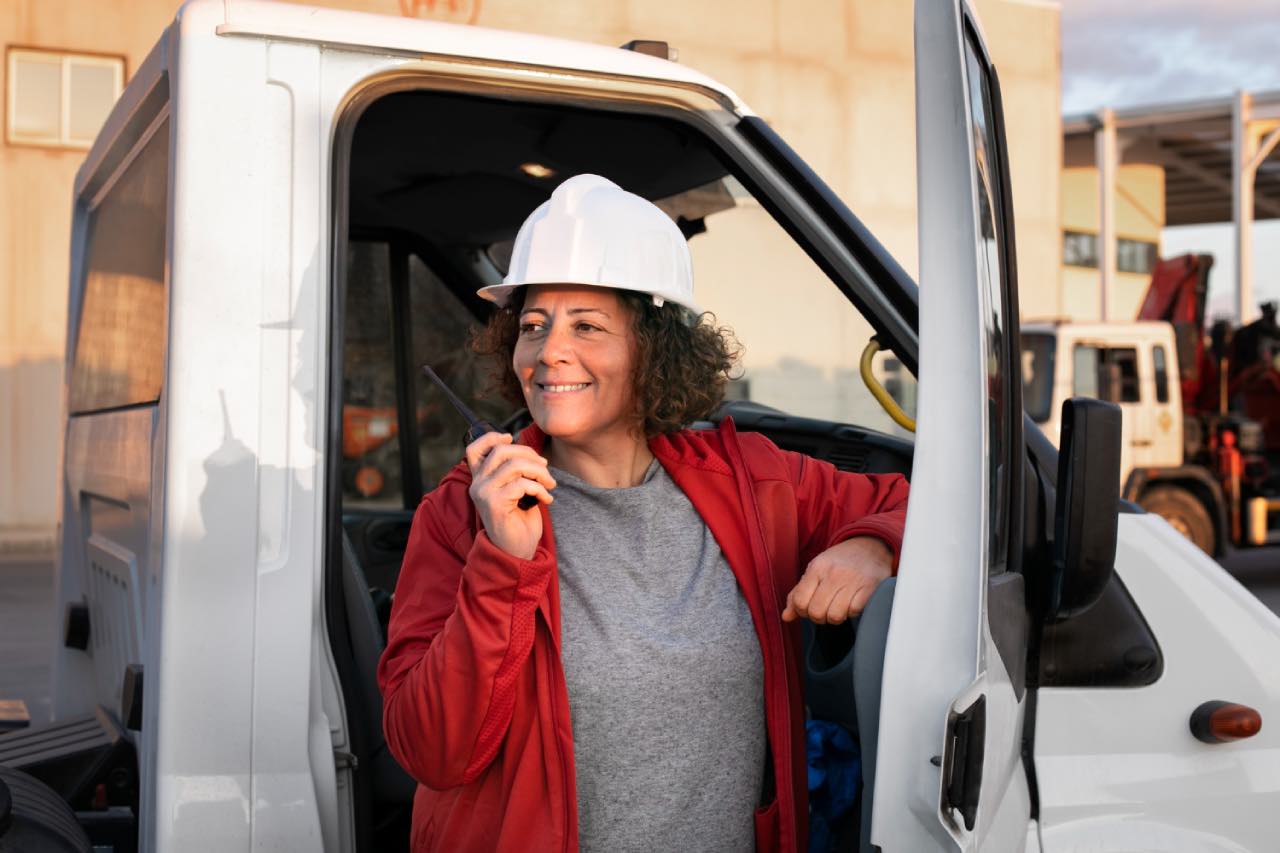
Workplace Sun Safety Laws in Australia: Employer Responsibilities Explained
Sun safety is not just a personal responsibility. Employers also play a critical role in protecting workers.
Workplace health and safety guidelines in Australia require employers to manage risks associated with UV exposure and provide a safe working environment.
This may include providing protective clothing, sunscreen, and access to shade, as well as implementing safer work schedules. Education and awareness are also key components of workplace safety.
Workplaces that actively promote sun safety tend to see better adoption of protective behaviours among staff. When sun protection becomes part of the workplace culture, it is far more likely to be followed consistently.
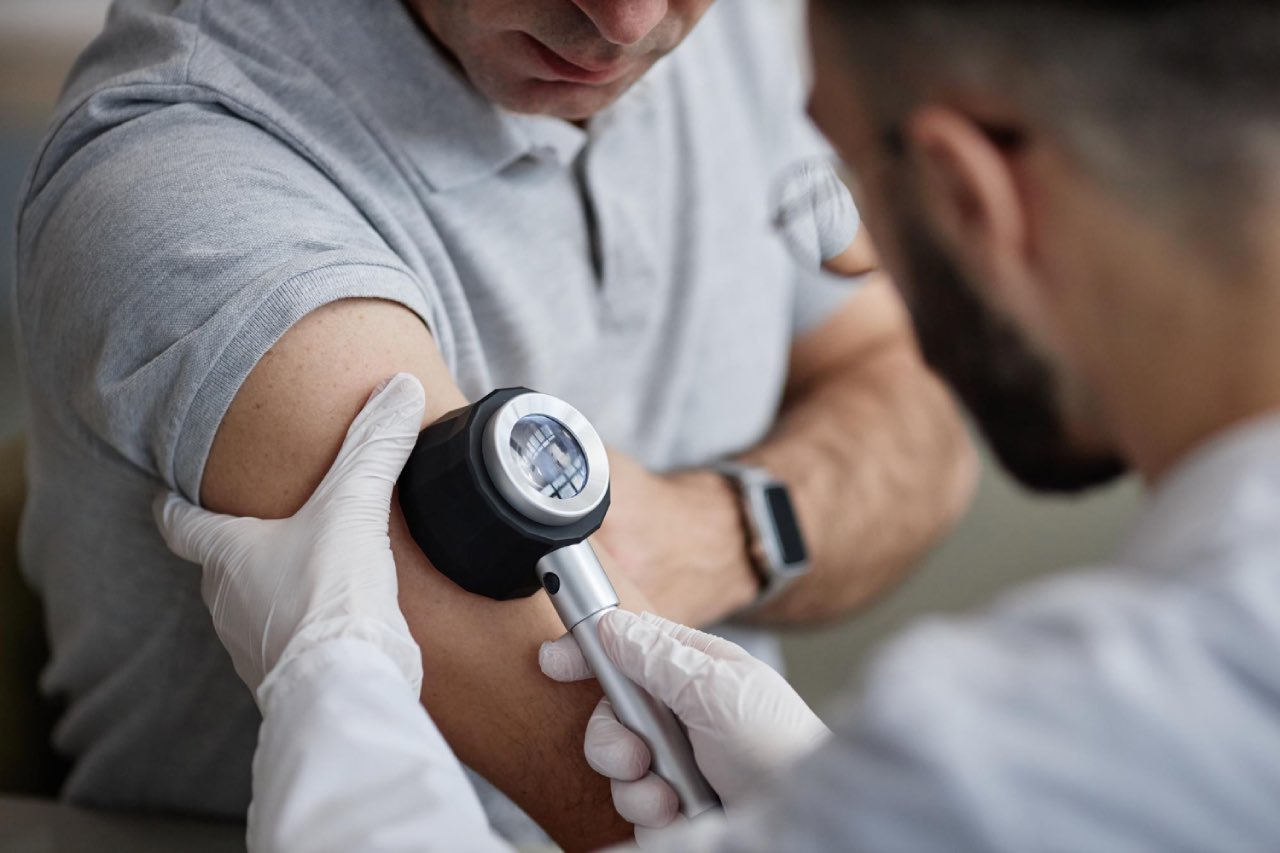
Skin Checks for Outdoor Workers: When to See a Doctor and What to Look For
Even with good sun protection habits, regular skin checks are essential.
You should seek medical advice if you notice:
- A new mole or spot that looks unusual
- Changes in size, shape, or colour of an existing mole
- A sore that does not heal
- Spots that itch, bleed, or become crusty
Skin cancer is highly treatable when detected early, but delays can lead to more complex treatment.
For outdoor workers, annual skin checks are strongly recommended, particularly if you have a history of sun exposure or sunburn. Monitoring your skin regularly can help catch any changes early.
Protect Your Skin While You Work: Why Prevention and Early Detection Matter
Working outdoors is essential across many industries in Queensland, but it should not come at the expense of your long-term health.
The encouraging news is that most skin cancers are preventable. Simple, consistent habits such as wearing protective clothing, applying sunscreen, and adjusting your work schedule can significantly reduce your risk over time.
If you spend your days outdoors, it is worth asking yourself whether you are doing enough to protect your skin.
At Medsana Medical Clinic, our experienced team of doctors and healthcare professionals provide thorough skin checks, guidance, and ongoing care tailored to your needs. If you have noticed any changes in your skin or simply want peace of mind, booking a professional skin check is a practical step towards protecting your future health.
Sources
- Queensland Government. Skin cancer explained
https://www.qld.gov.au/health/staying-healthy/preventing-skin-cancer/skin-cancer-explained - Cancer Council. Sunsmart at Work.
https://www.cancer.org.au/cancer-information/causes-and-prevention/sun-safety/be-sunsmart/sunsmart-at-work - Australian Government – Australian Radiation Protection and Nuclear Safety Agency. Occupational exposure: Workers exposed to ultraviolet radiation (UVR) from the sun and artificial sources.
https://www.arpansa.gov.au/understanding-radiation/sources-radiation/occupational-exposure/occupational-exposure-workers